Bhatt Ki Churkani Recipe From Uttarakhand
In the mist laden hills of Uttarakhand, where the air is thin and the winters are unforgiving, food is more than just sustenance. It is a cultural marker, and a warm embrace. Among the many jewels of Pahari cuisine, Bhatt ki Churkani stands tall.
This robust, earthy curry made from black soybeans is not merely a dish but is an emotion for the people of the Kumaon region. It represents the wisdom of ancestors who found out exactly what the human body needed to survive the Himalayan cold.
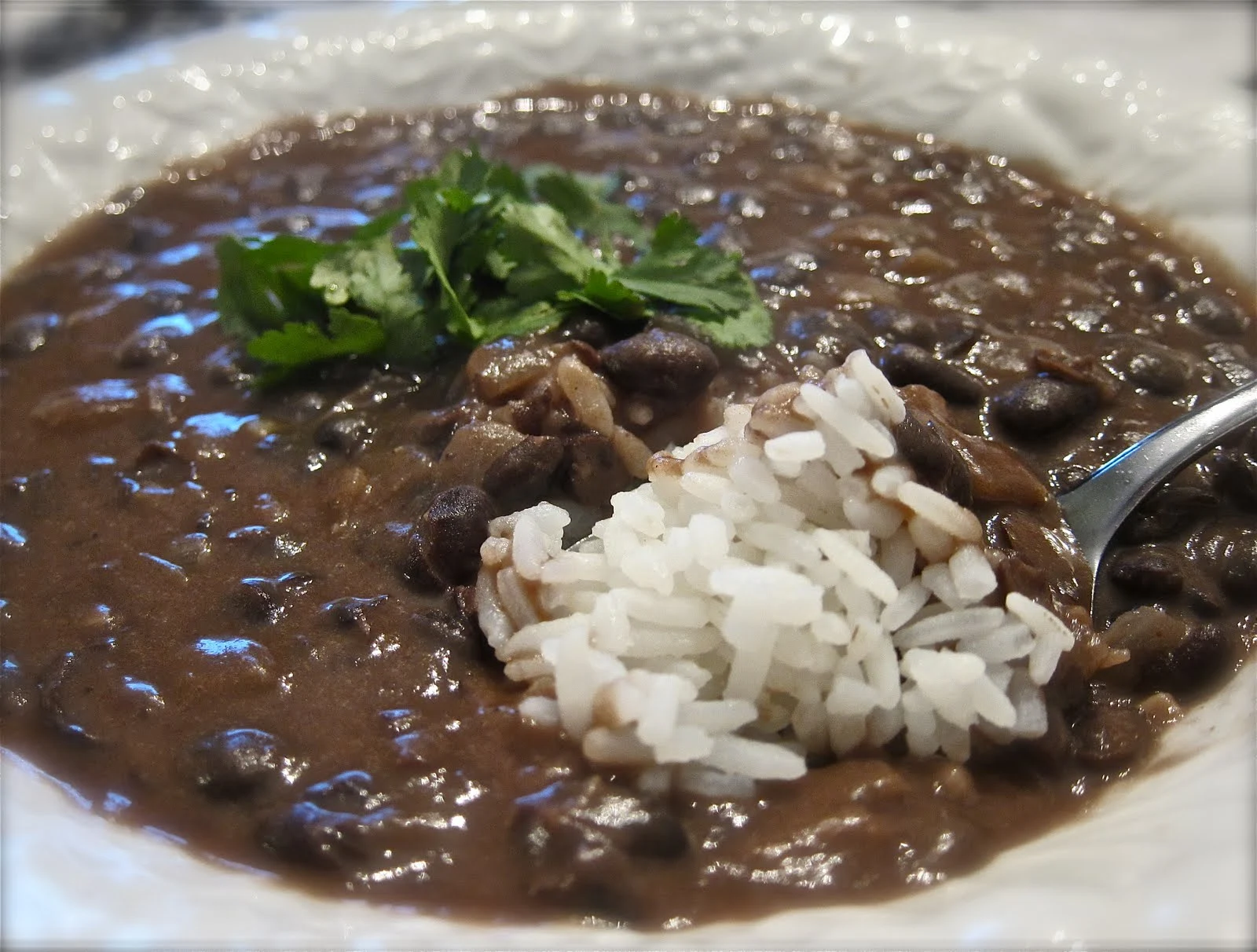
What is Bhatt ki Churkani?
Bhatt refers to the indigenous black soybean, a legume that thrives in the rugged, rain fed terrace farms of the Himalayas. Churkani gets its name from the Kumaoni word relating to the cooking process, specifically the crackling or sputtering sound the beans make when they are fried in hot oil.
Unlike a standard dal where lentils are boiled first and tempered later, Churkani follows a unique reverse technique. The hard, raw beans are first fried in oil to crack their outer shells, sealed with wheat or rice flour to create a velvety texture, and then slow cooked in water.
Bhatt ki Churkani is steeped in the living folklore of the stories passed down through grandmothers. Ancient Kumaoni sayings suggest that during harsh winters, the black soybean provided strength and heat to the body. It is believed that a bowl of Churkani gives a farmer the strength of a yak to plough the terraced fields.
Warding off Cold
A fascinating belief in certain interior villages of Kumaon is that the black colour of the bean has protective properties. Consuming the black bean has been historically considered a way to fortify the body against cold energies.
The Story in the Sound
The name itself carries a story. Elders often tell children that the beans must speak before they are cooked. If the beans do not make the loud chur chur sound while frying, the dish lacks soul. This crackling is seen as the bean waking up to release its earthy aroma.
Bhatt ki Churkani is not just a Tuesday night dinner but is woven into the ritualistic fabric of Kumaoni life.
The Winter Ritual
Bhatt has a hot potency (garam taseer). Therefore, the preparation of Churkani usually marks the onset of winter. It is customary in many households to start making Churkani frequently as soon as the first frost hits, often served for lunch to provide energy for the rest of the day.
The Iron Connection
Tradition dictates that Bhatt ki Churkani must be cooked in a cast iron skillet (lohe ki kadhai). This is not just a cooking preference but a strict cultural norm. When cooked in iron, the dish transforms from a pale brown to a deep, pitch black hue.
Serving a Churkani that isn't dark black is often considered a sign of an inexperienced cook. The iron vessel fortifies the dish with iron, crucial for preventing anemia in the high altitude, low oxygen environment.
Festival Associations
While dishes like Pua and Singal are for celebrations, Bhatt ki Churkani is the grounding force of festive meals.
Makar Sankranti (Ghughutiya): During this major winter festival, while sweet treats are offered to the crows, Churkani is often the savory main course for the family feast, served alongside steamed rice.
Harela: In the festival celebrating the green harvest, black beans are often one of the seven or five types of seeds sown in the ceremonial basket, symbolizing prosperity and agricultural bounty.
4. The Churkani Bhaat
In Kumaoni culture, serving Bhaat with Churkani is a symbol of rustic hospitality. If a guest arrives unannounced in a village home, they are most likely to be served this dish. It signifies that the host is sharing their most essential, strength giving staple with you.
The beauty of Bhatt ki Churkani lies in its smoky, nutty flavour profile, which is quite distinct from the creamy Dal Makhani or the watery Tadka Dal of the plains. It is neither too thick nor too runny. The addition of wheat flour or rice paste (biswar) gives it a gelatinous, comforting mouthfeel.
The dominant note is the nuttiness of the fried soybean, elevated by the pungency of mustard oil and the aromatic spice of Jakhya (wild mustard), which is often used for tempering instead of cumin.
Traditional Ingredients:
Bhatt: The star of the show.
Jakhya: A tiny, crunchy wild spice native to the hills that adds a signature crunch.
Gandharein: Sometimes used in tempering for digestion and warmth.
Rice Flour or Wheat Flour: Used as a thickening agent.
The Authentic Village Recipe
This Bhatt ki Churkani recipe follows the traditional method used in Kumaoni villages, specifically emphasizing the use of Lohe ki Kadhai which is non-negotiable for the authentic taste and colour.
Prep time: 10 mins | Cook time: 30-40 mins | Serves: 4
Ingredients
- 1 cup Black Soybeans
- 3 tablespoons Mustard Oil
- 2 tablespoons Wheat Flour or coarse rice flour paste
- 1 teaspoon Wild Mustard
- 5 cloves Garlic
- 1 tsp Coriander Powder
- 1 tsp Turmeric Powder
- 1 tsp Red Chili Powder
- 4 cups warm water
- Fresh coriander leaves and a dollop of Ghee
Instructions
- Heat mustard oil in an iron kadhai until it smokes. Lower the flame and add the Wild Mustard seeds. Once they crackle, add the crushed garlic and sauté until golden. Add the washed and dried Soybeans.
- Fry the Soybeans on medium heat for about 5 minutes. Listen for the beans to start crackling and popping. This indicates the outer shell is breaking, which allows the beans to cook through. Do not burn them.
- Add the wheat flour directly to the oil and beans. Roast the flour along with the beans for another 3 minutes. The flour should turn light brown and release a toasted aroma. This step ensures the curry isn't watery and has a nutty base.
- Add the turmeric, coriander powder, and red chili powder. Give it a quick stir (don't let spices burn) and immediately pour in the warm water.
- Bring the mixture to a boil. You will notice the colour is initially brown. Reduce the heat to low and let it simmer uncovered for 30 minutes. As it interacts with the iron pot, the gravy will darken to a deep blackish brown hue. Stir occasionally to prevent sticking.
- Once the gravy reaches a creamy consistency (it should coat the back of a spoon) and the beans are soft (but still chewy), turn off the heat. Stir in a generous spoonful of Ghee and garnish with fresh coriander.
- Serve piping hot with steamed white rice, a side of Mooli ki Thechwani (crushed radish salad), and Bhang ki Chutney.
Note: Using cold water can shock the beans and make them hard. Warm water ensures even cooking.
Conclusion
Bhatt ki Churkani is a testament to the Kumaoni philosophy of life. In a region where life is beautiful but hard, this dish transforms a tough, stone hard bean into a meal that comforts the soul. To eat Churkani is to taste the history of the Himalayas. Earthy, dark, and profoundly nourishing.