Shahi Paneer Recipe: The White Gravy Trick of Grandma
A dish built for kings, guarded by grandmothers secrets, and still cooked in the same narrow kitchen, on the same slow flame, in the same quiet order.
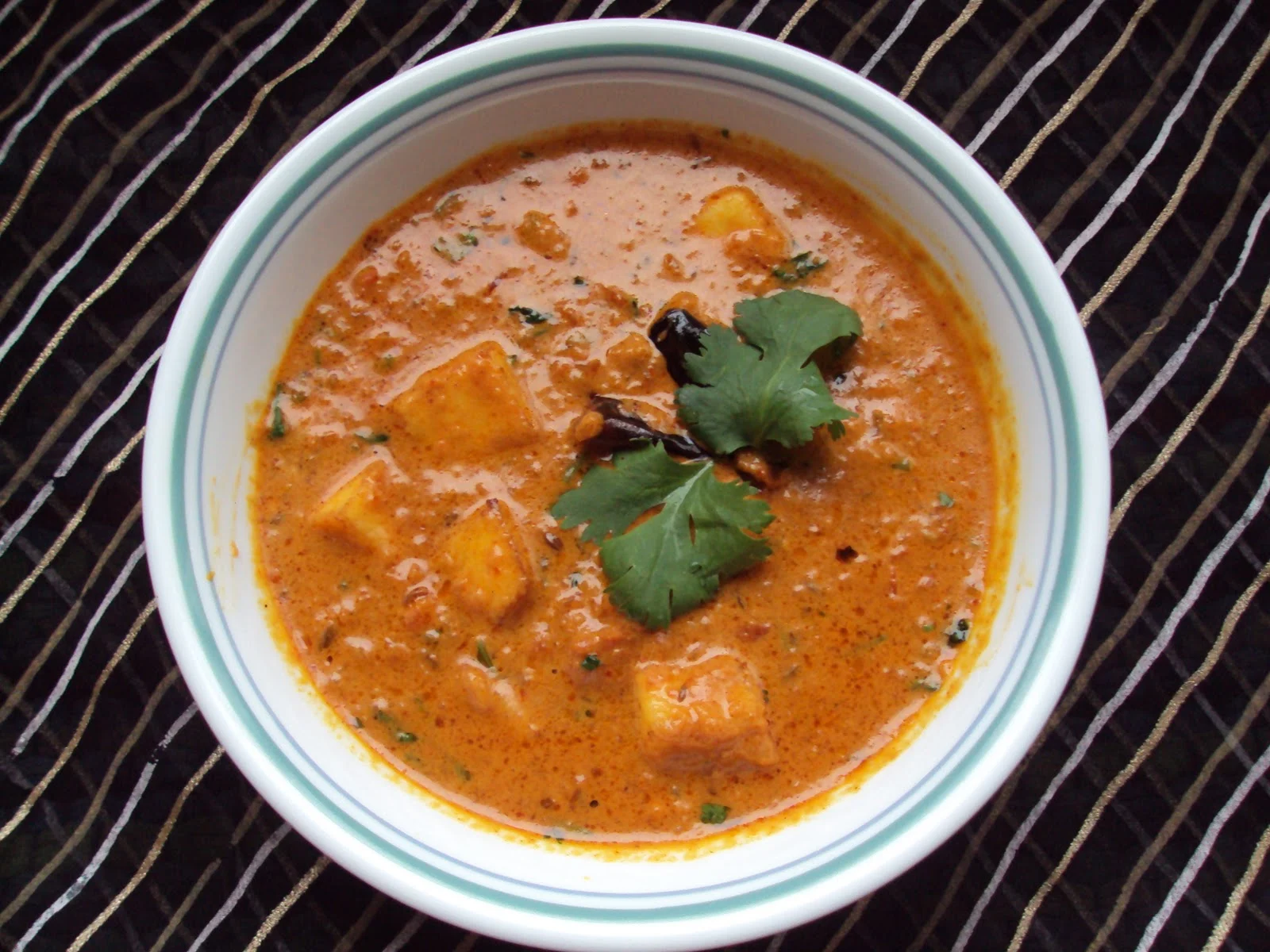
My grandmother has been gone three winters now, and I still cannot make this gravy without hearing her somewhere behind me, correcting my flame before I have even noticed it needs correcting. Sunday afternoons were hers. The rest of the week belonged to school runs and grocery lists and whatever else a house demands, but Sunday afternoon was slow on purpose, and she used it to stand at the stove and talk, half to me and half to the onions softening in front of her. I did not always listen properly back then. I understand now that she was not just cooking. She was handing something down, one lazy afternoon at a time, and trusting that enough of it would stick.
She never wrote her recipe down, not once, not even for me, because in her mind a recipe you could read was a recipe anyone could ruin. What she gave me instead were stories, told in no particular order, repeated so many times across so many Sundays that I no longer know which parts are memory and which parts are simply her voice, still narrating, long after she stopped needing to.
She always began the same way. Shahi paneer, she would say, wiping her hands on her dupatta before she had even finished washing them, is not a curry so much as a memory that happens to be edible. It carries the word shahi, meaning royal, and it earns that word honestly. Long before it sat in steel bowls on wedding buffets or turned up on takeout menus painted a suspicious shade of orange, it was cooked in kitchens attached to the royal courts, where the king's cooks were expected to make vegetarian dishes rich enough to sit beside meat on the same royal table without feeling like an afterthought. Paneer, cashews, cream and a slow built onion base were the tools they reached for, because in a kitchen with no tomato from the Americas yet in common use, richness had to come from patience rather than acidity.
A gravy which needs tomato to taste alive is a gravy that gave up too early.Something she said almost every Sunday, stirring with one hand and pointing at me with the other
That single fact, that the truest shahi paneer carries no tomato at all, was the one she repeated most, usually with a small look of triumph, as if she were letting me in on something the rest of the world had gotten wrong. Tomato itself did not arrive in Indian kitchens in any common way until the Portuguese and later British introduced it, centuries after the royal courts had already perfected its onion and cashew gravies. The tangier, orange version so common in restaurants today, she would remind me, is a newer North Indian adaptation, closer in spirit to paneer makhani, built for speed and a punchier bite. Delicious in its own right, she always added, but a different dish borrowing the same royal name.
Before It Was Ever Called Royal
This part she only told me once, on a Sunday when the onions were taking longer than usual and she had nowhere else to put her restlessness. Paneer itself, she said, the cheese at the center of this whole dish, was not always welcome in Indian kitchens. In much of ancient Vedic tradition, curdling milk on purpose was treated as something close to taboo, since the cow was sacred and spoiling her milk felt like an insult rather than a technique. For centuries, that discomfort kept deliberate cheesemaking on the margins of Indian cooking, even as neighbouring regions had long since mastered it.
Even she admitted she did not know the full truth of how that taboo finally broke, and I have since gone looking myself, partly to check her, partly to feel close to her a little longer. One line of research, points to Portuguese traders settling in Bengal in the sixteen hundreds, who brought their own tradition of fresh curdled cheese, queijos frescos, and in doing so may have finally given Bengali cooks permission to curdle milk without guilt. That Bengali lineage produced not the firm, cubed paneer of a shahi gravy but its softer cousin, chhena, the loose curd behind rasgulla and sandesh.
Nobody agrees on who taught India to curdle milk on purpose. What everyone agrees on is that once the taboo broke, it never came back.A line she liked, borrowed from somewhere she never named
She would end this particular story the same way every time, with Krishna as a boy caught red handed stealing fresh butter from the neighbours, a scene sung in bhajans across generations that has nothing to do with royal kitchens at all. It is a reminder, she said, that India's relationship with dairy was already rich with memory and mischief long before any emperor's chef ever dropped a cube of cheese into the wrong pot. By the time paneer reached the royal courts centuries later, she liked to say, it was not being introduced so much as finally being invited somewhere grand.
The Streets That Kept the Secret
She never quite left it, not really, even decades after she had moved. On the Sundays when she was feeling talkative, she would describe those lanes on a winter evening, the pale nutty steam rising off a cauldron the size of a bathtub, stirred by someone who had likely never measured a single ingredient in his life. She talked about shahi paneer the way musicians talk about a raga, not as a fixed set of notes but as a mood you are trying to arrive at. Ask three different halwais how long to cook the onion paste, she said, and you will get three different answers, all of them correct, because the real answer is until it stops smelling raw and starts smelling sweet.

There was one thing she told me only once, quietly, as though it were a small inheritance she was not sure I deserved yet. Many old cooks insist on cooling the onion and cashew mixture completely before grinding it, not for texture alone but because a hot paste, when blended, traps steam inside the jar, and that trapped steam quietly cooks the raw garlic unevenly, leaving faint bitter pockets in an otherwise sweet gravy. She said most people who write recipes down have never stood close enough to a working degchi to notice a thing like that.
Our own family, she reminded me often, folded this dish into wedding spreads under a slightly different name, closer to a paneer korma, using the same white base but leaning harder on whole warm spices like black cardamom. Some cooks, she said with something close to envy, heirs to a separate but related royal kitchen tradition, prize a longer dum rest at the very end, where the covered pot sits untouched over dying embers so the aroma folds back into the gravy instead of escaping into the room. That single resting habit, borrowed from dum cooking, changes the dish completely, and she never quite forgave herself for not doing it more often.
What She Whispered Rather Than Wrote Down
Some of what she knew, she admitted, she had picked up the same way anyone does now, from other women swapping notes, from mothers of mothers. A few pieces of advice she repeated so often that they stopped sounding like tips and started sounding like instructions from somewhere higher up.
You do not cook shahi paneer with your eyes on the clock. You cook it with your nose near the pot.Repeated on nearly every Sunday I can remember
Her Recipe, Written the Way She Actually Cooked It
This is the part I had to reconstruct rather than inherit, since she never once measured anything in front of me on purpose. I stood beside her enough Sundays to steal it back, cup by cup, spoon by spoon. By the time the cardamom hits warm ghee, the whole kitchen changes temperature, and that first minute, when cinnamon and clove crack open and the air turns sweet and a little smoky, is the moment she used to call the gravy waking up. Somewhere under all that ghee and onion and slow simmered curd, saffron threads are quietly bleeding gold into warm milk, waiting for the very last minute to be folded in, so the whole dish arrives at the table still faintly steaming, still smelling like it was made for someone worth impressing. This is her method, the white gravy version, the one without tomato, finished the old way with saffron milk and a whisper of kewra. It rewards a slow hand far more than a long ingredient list, which is probably why she trusted it so much.
Shahi Paneer, Royal White Gravy Style
What You Need
- 250 grams fresh paneer, cut into cubes
- 2 large onions, roughly chopped
- 12 cashews
- 1 tablespoon melon seeds, or a small handful of extra cashews
- 4 to 5 garlic cloves
- 1 inch ginger, chopped
- 2 green cardamom pods
- 1 black cardamom pod
- 1 bay leaf
- 1 inch cinnamon stick
- 3 cloves
- 3 tablespoons ghee
- Half cup fresh curd, whisked smooth, at room temperature
- Half teaspoon turmeric powder
- 1 teaspoon Kashmiri red chilli powder for colour, optional
- 1 teaspoon garam masala
- Salt to taste
- 1 teaspoon sugar
- 3 tablespoons fresh cream
- A small pinch of saffron soaked in 2 tablespoons warm milk
- 1 teaspoon kasuri methi, crushed between the palms
- 2 to 3 drops kewra water, optional
How to Cook It
- Soften the base. Simmer the onions, cashews, melon seeds, ginger and garlic in one and a half cups of water for eight to ten minutes on low heat until soft and translucent. Let it cool fully.

- Grind a silk smooth paste. Blend the cooled mixture with a little of its own cooking water until every trace of grit disappears.

- Bloom the whole spices. Warm ghee on low flame, add cardamoms, bay leaf, cinnamon and cloves for under a minute, just until fragrant, never dark.

- Build the gravy slowly. Add the paste, cook on low heat until it turns pale ivory and leaves the sides of the pan. Lower the flame further and fold in the whisked curd one spoon at a time.

- Season and simmer. Stir in turmeric, chilli powder if using, salt and sugar. Loosen with a little water or milk and simmer gently for eight to ten minutes until the fat glistens on top.

- Finish like the old kitchens did. Add paneer, warm through for two minutes, turn off the heat, then fold in cream, saffron milk, garam masala, crushed kasuri methi and kewra water. Cover and rest five minutes before serving.

One Dish, Many Kitchens
She had opinions about every version outside her own kitchen, delivered the way only someone who loved a dish fiercely could deliver them. Travel across North India, she would say, and the same three words, shahi paneer, quietly change shape at every state border, the way a single folk tune picks up new instruments in every village it passes through. In Old Delhi it stays white, thick enough to coat the back of a spoon, unapologetically rich, the way she made it. Cross into Punjab, she would add with a small shrug, and it often blushes orange with tomato and leans harder on cream, built for speed rather than ceremony, the smell reaching the table before the plate does. In Lucknow, under the shadow of Awadhi cooking, cooks slow the process down further with a final dum rest, sealing the pot and letting it breathe over dying coals the way they would treat a pot of biryani, so the steam that would normally escape instead curls back down into the gravy, a habit she admired more than she practiced. Kashmiri family kitchens, closer to her own roots, tilt it toward korma territory, leaning on whole warm spice, black cardamom especially, rather than chilli for its character.
None of these versions is more correct than the others, she always conceded, a little reluctantly. They are simply different rooms in the same old royal house, each one carrying its own particular smell the moment you lift the lid.
Shahi Paneer and Its Louder Cousin, Paneer Makhani
She had a soft dislike for how often the two got mixed up on restaurant menus, though she understood why. Both start from cashews, cream and a slow cooked base, so the confusion is fair. The difference sits in what carries the flavour, she would explain, patient as ever. Paneer makhani, sometimes called paneer butter masala, is built on butter and a tomato heavy gravy, brasher and tangier, closer in spirit to butter chicken with the meat swapped for cheese. Shahi paneer, in its original white gravy form, leans on onion and curd instead of tomato, and its sweetness comes from cashews and a little sugar rather than from reduced tomato. If makhani is the dish that announces itself the moment it lands on the table, she liked to say, shahi paneer is the one that reveals itself slowly, spoon by spoon, the way she preferred most things in life to be revealed.
A Few Things She Was Asked Often Enough to Have Answers Ready
- Why does real Shahi Paneer not use tomato
- She would tell you the original Mughlai version relies on onion, cashew and curd for body and colour. Tomato only arrived in Indian cooking after Portuguese and later British contact, well after the Mughal court had already perfected its onion and cashew gravies, so the white version predates the tomato version by design rather than by accident.
- What is the difference between Shahi Paneer and Paneer Makhani
- Paneer makhani, also called paneer butter masala, is built on butter and a tomato heavy gravy. Shahi paneer in its original form leans on onion and curd instead of tomato, with sweetness coming from cashews and a little sugar rather than reduced tomato.
- Why does the gravy taste grainy instead of silky
- Grainy gravy almost always means the onion cashew paste was not blended long enough, or the curd was added while the pan was too hot and it split. She always said to cool the base before blending and lower the flame before adding curd.
- Can it be made ahead for guests
- Yes. The gravy can be made a day in advance and refrigerated. Add the paneer, cream and saffron milk only after gently reheating, so the paneer stays soft and the aroma feels fresh rather than reheated, which she considered the difference between a good host and a tired one.
She is no longer at that stove, and some Sundays that absence sits in the kitchen more loudly than the ghee ever does. But the smell is still exactly the same, onions turning soft, cardamom cracking open in warm ghee, a pot resting quietly under its own lid while the rest of the house waits without knowing exactly why. I have come to think that is the real recipe, the part no ingredient list can hold. Everything else, the measurements, the timings, the little tricks I have finally written down, is just the part that fits on a page. The rest of it only exists in the room while it is happening, which I suppose is why she never bothered writing it down either.
I like your idea of cashew paste to thicken your creamy gravy. Yum!
Hi Kaylan, this look so delicious, love thick gravy. The combination of the ingredients look excellent.
Have a nice week ahead.